How to Create a Minimalist Workspace That Multiplies Your Focus
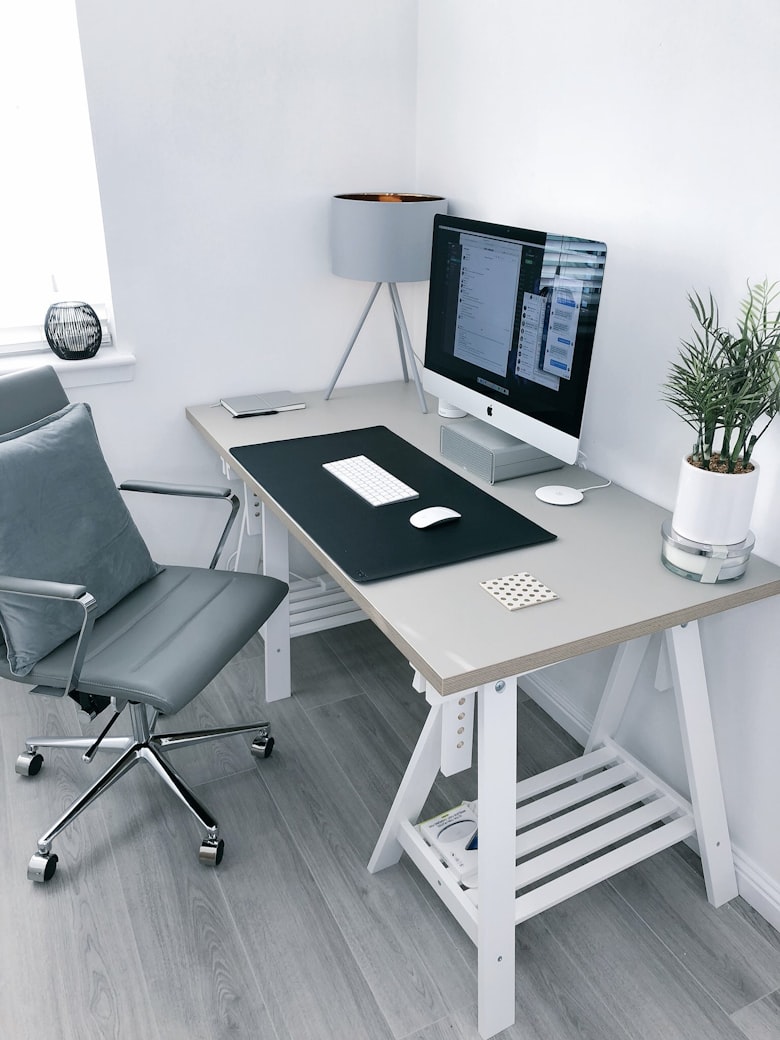
In a world of constant digital notifications and physical clutter, your desk is often the frontline of your mental health. A minimalist workspace isn't just about having a clean desk — it's about removing the visual "noise" that competes for your brain's attention and drains your focus before the day even begins.
Research from Princeton Neuroscience Institute found that physical clutter competes for your attention and reduces your brain's ability to process information — making a minimalist workspace one of the highest-return investments you can make in your daily performance.
productivity boost from natural light alone
improvement in creative problem-solving with plants nearby
daily reset to maintain a clutter-free desk
Step 01
Step 1: Follow the "Essential Only" Rule
Start by clearing everything off your desk. Only return items you use every single day. If you only use a printer once a week, it doesn't belong on your surface.
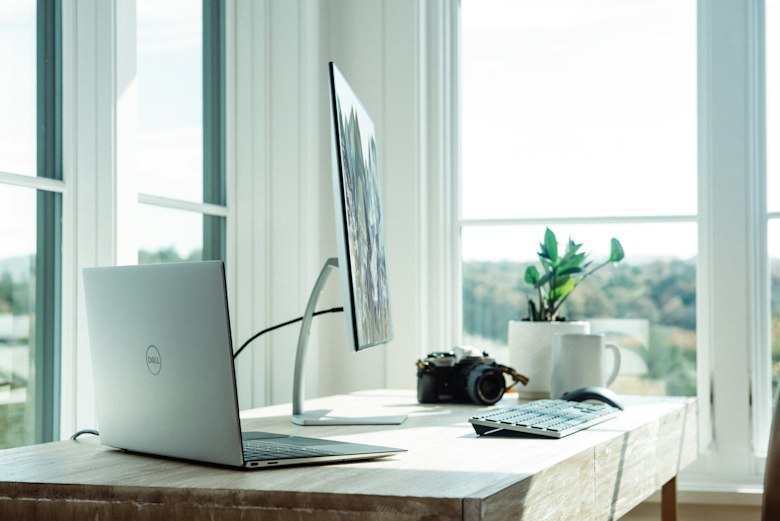
Limiting your desk to only daily-use items is the single most effective step toward a truly minimalist workspace.
By limiting your field of vision to your computer, a notepad, and a single glass of water, you send a clear signal to your brain that it's time for deep work and sustained focus.
What to keep, what to remove:
- Keep: laptop or monitor, one notebook, one pen, water glass
- Remove: paperwork you haven't touched this week
- Remove: decorative items that don't serve a daily function
- Store: anything used less than once per day in a drawer or shelf
Step 02
Step 2: Prioritize Natural Lighting for Energy
Positioning your desk near a window can increase productivity by up to 15%. Natural light is best — it regulates your circadian rhythm, helping you stay alert during the day and sleep better at night.
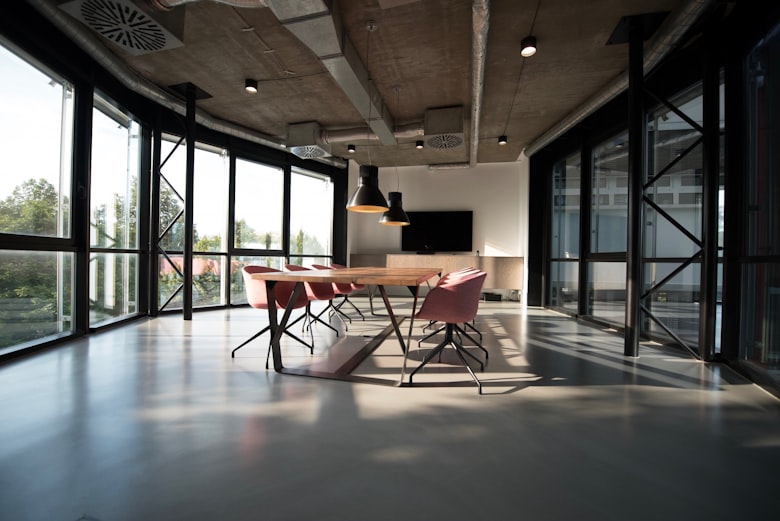
A desk near a window is one of the simplest and most impactful upgrades for any minimalist workspace.
According to Healthline's research on natural light and health, workers in naturally lit environments report better sleep, higher energy, and significantly improved mood — all of which directly feed into sustained creative output.
If natural light isn't available:
- Use warm white bulbs (3000K–4000K) to reduce eye fatigue
- Position your light source to the side — never behind your screen
- Add a quality desk lamp for focused evening work sessions
- Avoid harsh overhead fluorescent lighting where possible
Step 03
Step 3: Use a Calming Color Palette
Neutral tones like white, soft greys, and muted greens reduce cognitive load. These colors don't "demand" attention, allowing your creative thoughts to take center stage.
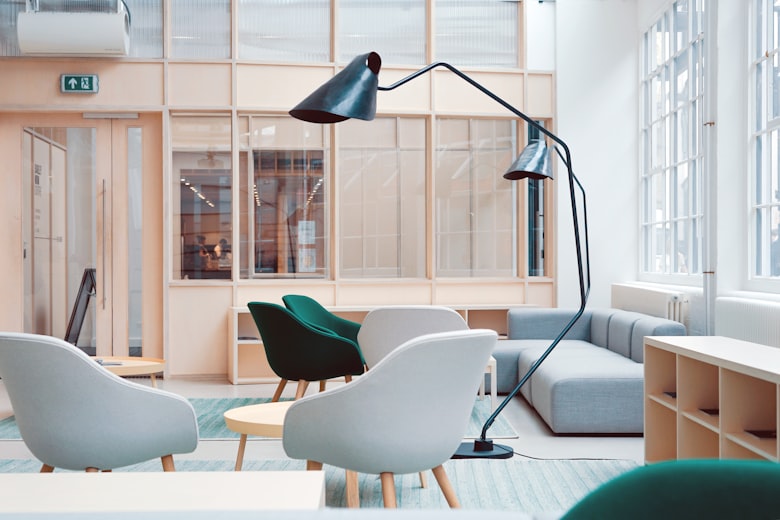
Neutral tones create a visually quiet environment — your brain can relax and focus on the work, not the room.
Avoid loud accent colors on your desk surface. Save those for inspiration boards away from your primary work zone. The goal is a space that feels settled and calm — not sterile, but not stimulating either.
Add one small indoor plant to your desk. Studies published in Psychology Today show that "green breaks" — even just glancing at a plant — reduce cortisol levels and improve creative problem-solving by up to 45%.
Step 04
Step 4: Organize Cables to Maintain a Minimalist Workspace
Visual clutter isn't always on the surface. Tangled cables and cluttered drawers create subconscious stress that quietly drains your energy throughout the day.

Hidden clutter is still clutter — cable management is one of the most overlooked steps in building a minimalist workspace.
According to Mayo Clinic's office ergonomics guide, a well-organized physical environment reduces physical and mental strain — both of which compound over a full workday.
Quick cable and clutter fixes:
- Use adhesive cable management clips along desk edges
- Consolidate all chargers into a single charging hub
- Use a simple drawer organizer for stationery and small items
- Label cables so you never have to trace them again
Step 05
Step 5: The One-In One-Out Habit
To maintain your minimalist workspace long-term, adopt the one-in one-out rule. Every time a new item enters your desk, something else must leave.

The one-in one-out rule is the simplest system for keeping your workspace minimal without constant reorganization.
This simple habit prevents the slow creep of clutter that undoes weeks